
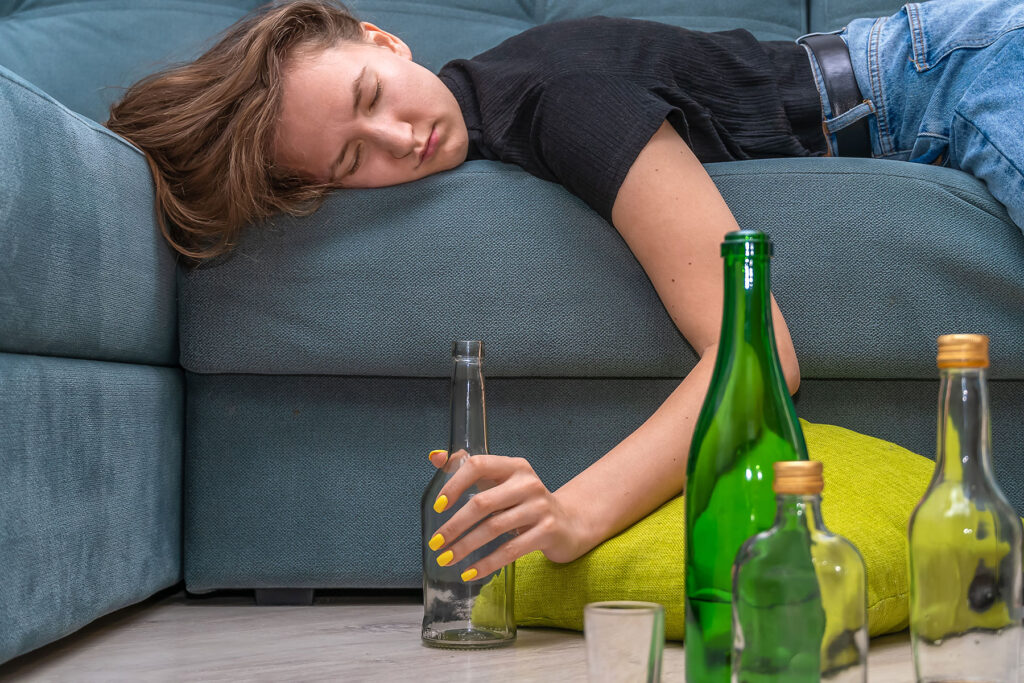
If you’re experiencing hypnic jerks, alcohol withdrawal may be the cause. Changes in alcohol intake, especially sudden reductions or cessation, can lead to withdrawal symptoms and hypnic jerks. Binge drinking and heavy drinking over an extended period increase the risk of withdrawal symptoms, including hypnic jerks. Alcohol withdrawal has a number of harmful consequences and can often be fatal without treatment at an alcohol rehab center. Alcohol and other drugs, as well as substance use in general, impact both our brains and bodies, influencing sleep patterns, and the likelihood of hypnic jerks occurring. Various factors, such as the amount and duration of alcohol intake, can affect the severity and frequency of hypnic jerks during withdrawal. Call Promises at (888) 483-7451) to get started with evidence-based alcohol treatment today.
Understanding Hypnic Jerks
Hypnic jerks are a common, uncomfortable sleep symptom that can interfere with your ability to get a good night’s rest. A hypnic jerk, sometimes called a sleep start, is when you suddenly jerk awake in the middle of sleep. A hypnic jerk typically occurs as you are falling asleep. Hypnic jerks can feel like you are falling and cause a burst of muscle tension that wakes you up suddenly. These jerks can result in waking during the night, disrupting sleep quality.
While the exact cause of hypnic jerks is unknown, most scientists believe them to be the result of an overactive central nervous system during sleep. Your body is sending signals for alertness and vigilance despite being at rest, causing you to suddenly awaken in the middle of the night.
Knowing what a hypnic jerk is, you may still be wondering, “How are hypnic jerks and alcohol linked?” The answer lies in the central nervous system—where alcohol has a number of direct and indirect effects.
Alcohol is a central nervous system depressant. This means that it slows down the body’s automatic, life-preserving functions, such as breathing and heart rate. The exact drug action is through a neurotransmitter called GABA, which is the main neurotransmitter responsible for soothing the central nervous system and sending signals of calm and relaxation.
Alcohol enhances the effect of your body’s natural GABA supplies. This is how it produces many of the well-known effects of alcohol, such as:
- Lowered inhibitions
- Relaxation
- Sleepiness
- Reduced anxiety
Yet when people drink alcohol frequently, the body begins to compensate for the relaxing effects of alcohol. Baseline central nervous system activity begins to accelerate, leading to both the phenomenon of tolerance as well as withdrawal symptoms when alcohol use suddenly stops.
This elevated central nervous system activity is the link between alcohol and hypnic jerks. When a person goes to sleep after drinking, the body begins to break down alcohol and lower blood alcohol content, causing a spike in central nervous system activity. This will often lead to being awoken by a hypnic jerk.
What Are Hypnic Jerks?
Hypnic jerks, sometimes called hypnagogic jerks or sleep starts, are sudden, involuntary muscle contractions that typically occur as you are falling asleep. These brief movements can involve the whole body or just certain parts, such as the arms or legs, and often feel like a jolt or a sensation of falling. While hypnic jerks can be startling and may momentarily wake you, they are a fairly common part of the sleep process, affecting up to 70% of people at some point in their lives. Most of the time, hypnic jerks are harmless and not a sign of any underlying health problem. They simply occur as your body transitions from wakefulness to sleep, and are considered a normal phenomenon. Hypnic jerks are classified as a parasomnia, which involves unusual physical events that disrupt sleep.
Causes of Hypnic Jerks
Although the exact cause of hypnic jerks remains unclear, they are believed to occur during the transition from being awake to falling asleep. Several factors can increase the likelihood of experiencing hypnic jerks, including stress, anxiety, and sleep deprivation. When your brain is overstimulated—whether from emotional stress, excessive caffeine intake, or even certain prescription medications—it can make it harder to fall asleep smoothly, leading to these sudden muscle contractions. In some cases, hypnic jerks may be linked to an underlying disorder, such as a sleep or neurological condition. Lifestyle factors, such as irregular sleep schedules or high levels of stress, can also play a role, making it important to address these issues if hypnic jerks are frequent or disruptive.
Hypnic Jerks: Alcohol Withdrawal
There are many signs of alcohol withdrawal, ranging from mild to severe. Alcohol withdrawal can lead to hypnic jerks as well, through the same pathway listed above. When people have grown tolerant to the effects of alcohol, their central nervous system becomes dangerously overactive when alcohol use suddenly stops, leading to symptoms such as mild anxiety, shaking, and perspiration, which can start within 6 to 12 hours after the last drink.
- Hypnic jerks
- Shakes
- Sweating
- Racing heart
- Rapid heart rate (both are common during withdrawals)
- Racing heartbeat
- Insomnia
In severe alcohol withdrawal, called delirium tremens, even more severe and life-threatening events may take place. Delirium tremens is the most severe form of withdrawal and requires immediate medical care. Severe symptoms of alcohol withdrawal, such as seizures and hallucinations, typically occur within 24 to 48 hours after the last drink.
- Delusions
- Hallucinations
- Seizures
Seizures during withdrawal can be generalized or myoclonic seizures, which are brief, shock-like muscle jerks. Seizure activity is a serious risk during withdrawals and requires prompt medical attention.
Severe alcohol withdrawal is deadly and should never be attempted alone. Starting treatment at a medical detox center can provide targeted medications to calm central nervous system activity, preventing the potentially fatal consequences of withdrawal. Delirium tremens (DT) can arise during the later stage of alcohol withdrawal and can be life-threatening if left untreated. People with certain medical conditions or health conditions are at higher risk for severe symptoms and should seek professional help.
But even if your alcohol withdrawal isn’t severe enough to be life-threatening, medical detox can alleviate many other symptoms, including hypnic jerks. Alcohol withdrawal is never easy, but quality, evidence-based treatment methods can make the path to recovery much more comfortable. The recovery journey when you quit drinking is safest and most effective with medical care and support to manage withdrawals and reduce the risk of complications.
Drinking Alcohol and Hypnic Jerks
Drinking alcohol can make hypnic jerks more likely to occur, especially during sleep. Alcohol acts as a depressant on the central nervous system, which can disrupt your normal sleep patterns and lead to disturbed sleep. This disruption may trigger hypnic jerks, particularly if you are experiencing alcohol withdrawal. Withdrawal symptoms can include anxiety, tremors, and even seizures, all of which may contribute to frequent hypnic jerks. Alcohol withdrawal symptoms can last for several days to weeks, depending on the severity of alcohol use and individual factors. If you notice that hypnic jerks are happening often, it could be a sign of an underlying sleep disorder or a result of alcohol addiction. In these cases, seeking medical attention is important. A healthcare provider can help determine the cause and recommend appropriate treatment, which may include medication assisted treatment or medical detox to manage withdrawal symptoms and support long term recovery. Addressing alcohol misuse and getting the right support can help you achieve a good night’s rest and improve your overall health.
Get Started with Alcohol Treatment at Promises
When alcohol use starts to lead to symptoms such as hypnic jerks, it’s likely you’ve developed an alcohol use disorder. You can break free from an alcohol addiction, but most people will need the help of a dedicated alcohol rehab center in order to do so. Addressing mental health is a crucial part of the recovery journey from alcohol use disorder, as psychological well-being plays a significant role in managing withdrawal symptoms and achieving lasting recovery. If hypnic jerks persist, it is important to consult a healthcare provider to rule out any underlying condition.
Call Promises today at (888) 483-7451 to learn more about our comprehensive alcohol treatment options and start your path to recovery.