
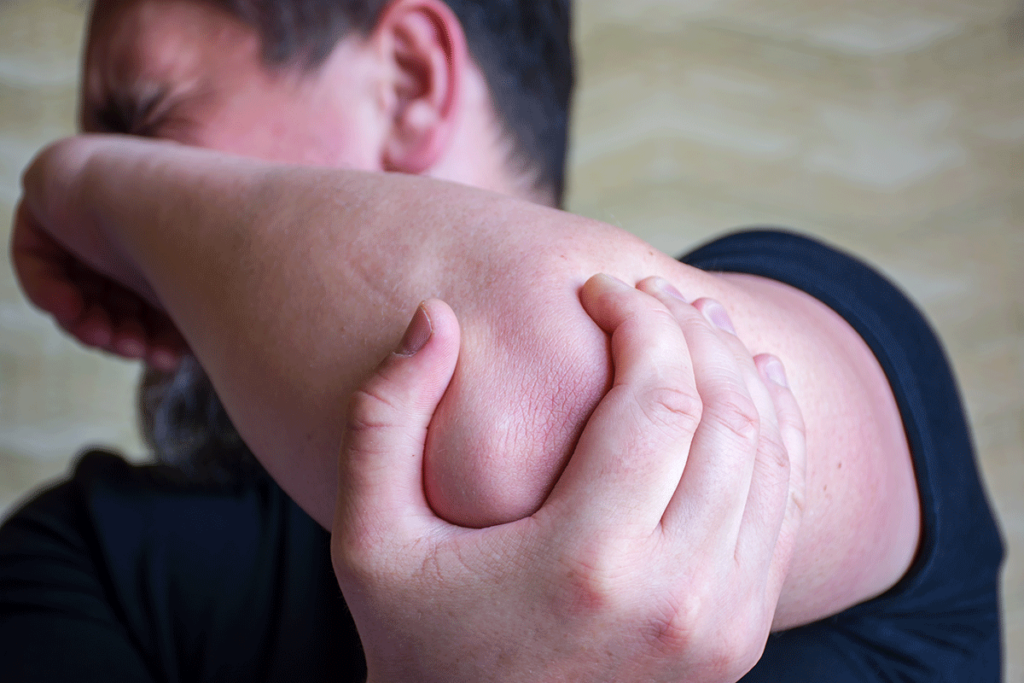
Long-term alcohol abuse, including chronic ethanol consumption and excessive alcohol use, can have many severe effects on the body, including a condition called alcoholic neuropathy (also known as alcohol neuropathy, alcohol related neuropathy, or alcoholic peripheral neuropathy) that causes damage to the nervous system. This condition is characterized by damage to peripheral nerves and muscle nerves, leading to symptoms such as numbness, tingling, weakness, movement disorders, dyspeptic symptoms, and painful symptoms. Alcoholic neuropathy can also affect the central nervous system and central nervous systems, with alcohol and its metabolites potentially disrupting the blood brain barrier. The underlying pathology often involves axonal degeneration and is a primary axonal neuropathy characterized by direct toxic effect of alcohol on nerve tissue, as well as nutritional deficiency, particularly thiamine and folic acid. Alcohol use disorder, chronic alcoholism, alcohol dependence, and regular consumption of alcoholic beverages are major risk factors, and alcoholic patients are at highest risk for developing neuropathy. Up to 66% of patients with chronic alcohol use disorder may have some form of alcoholic neuropathy. Most patients do not experience significant improvement unless drinking alcohol is stopped and nutritional supplementation is provided. Assessment of thiamine status and distinguishing cases with normal thiamine status is important in differentiating alcoholic neuropathy from other types such as diabetic neuropathy, drug induced neuropathy, and thiamine deficiency neuropathy. When diagnosing neuropathy, it is important to ask how much alcohol a patient consumes. Studies employing clinical and electrodiagnostic criteria, as well as definitions from the diagnostic and statistical manual, are used to accurately identify cases. The pathogenesis involves reactive oxygen species, impaired blood flow, and findings from rat brain studies have helped clarify mechanisms. Chronic alcohol users experience a high prevalence of neuropathy, and future treatment possibilities are being explored to improve outcomes.
The best way to prevent long-term damage from alcohol abuse is professional help and treatment. Promises Behavioral Health offers addiction treatment in our residential alcohol rehab that can help you break the cycle for good—you just have to reach out. Call (888) 483-7451rue) today for more information about our programs and how we can help.
What Is Alcohol Induced Peripheral Neuropathy?
Alcoholic neuropathy is a condition caused by chronic alcohol abuse. It damages the nerves outside the brain and spinal cord, known as peripheral neuropathy. Symptoms can include pain, numbness, tingling, loss of balance and coordination, muscle weakness, problems with digestion, and other issues. It can be very disabling if not treated properly.
Alcoholic neuropathy is not reversible, but with proper treatment and lifestyle changes, it can be managed effectively. Treatment focuses on relieving symptoms, controlling underlying conditions such as diabetes or vitamin deficiencies, and managing pain. Lifestyle changes recommended for good health include reducing alcohol consumption, quitting smoking, exercising regularly, and eating a balanced diet with adequate vitamins and minerals. Alcoholic neuropathy can be a serious condition, but with early diagnosis and treatment, it is possible to improve the quality of life for those affected.
One must understand that alcoholic neuropathy is not just caused by drinking too much alcohol in one sitting. Heavy drinking over time can cause damage to the nerves outside of the brain and spinal cord. This can lead to a range of disabling symptoms, such as pain, numbness, tingling, loss of balance and coordination, muscle weakness, and problems with digestion. In extreme cases, it can even cause paralysis or death.
Alcoholic neuropathy is a type of nerve damage caused by excessive alcohol consumption. It can lead to serious complications and even disability if left untreated. Symptoms of alcoholic neuropathy typically develop gradually over time but, in severe cases, may appear suddenly. Some of the most common warning signs include:
Muscle weakness or pain
Numbness or tingling
Loss of coordination
Trouble walking, especially in the dark
Difficulty moving certain body parts
Inability to tolerate heat or cold
Bladder and bowel problems
Sexual dysfunction
Loss of appetite
If you experience any of these symptoms, it is vital to seek medical attention to determine the cause and begin treatment. Early diagnosis and intervention can help limit the damage caused by alcoholic neuropathy, reduce symptoms, and improve your overall quality of life. Screening for alcohol use disorder is important because many patients may not voluntarily admit to alcohol consumption when presenting with neuropathy.
Causes of Alcoholic Neuropathy
Alcoholic neuropathy is a potentially incapacitating complication that arises primarily from chronic alcohol consumption. The condition develops due to the direct toxic effects of alcohol on the peripheral nervous system, which can damage nerve tissue over time. Chronic alcoholics are particularly vulnerable, as long-term alcohol consumption often leads to impaired gastrointestinal absorption, making it difficult for the body to absorb essential nutrients. This results in nutritional deficiencies, with thiamine deficiency being especially common and a significant risk factor for nerve damage. Patients with alcoholic neuropathy generally present with symmetrical polyneuropathies in the lower distal extremities. The combination of these factors—chronic alcohol use, nutritional deficiencies, and the toxic effects of alcohol metabolism—contributes to the development of alcoholic neuropathy. Additionally, genetic factors, such as mutations in the aldehyde dehydrogenase gene, may increase susceptibility to this condition. Understanding these causes highlights the importance of addressing both alcohol consumption and nutritional health to prevent the progression of nerve damage in the nervous system.
Symptoms of Alcoholic Polyneuropathy
Alcoholic polyneuropathy is a specific form of nerve damage that often presents with a range of sensory and motor symptoms. Individuals may experience painful sensations such as burning, tingling, and numbness, most commonly in the feet and hands. These symptoms typically begin in the distal lower extremities and can progress to involve the upper limbs as the condition advances. Progression of alcoholic neuropathy can lead to symmetrical ascending motor and sensory deficits. Motor symptoms are also common, including muscle weakness, cramps, and difficulty with movement. In some cases, the onset of symptoms can be rapid, leading to a noticeable decline in mobility and coordination. Beyond these, alcoholic polyneuropathy can cause autonomic dysfunction, resulting in issues like orthostatic hypotension (a drop in blood pressure when standing), urinary retention, and impotence. Recognizing these symptoms early is crucial for seeking appropriate care and managing the progression of this alcohol induced neuropathy.
Impact on Daily Life
Living with alcoholic neuropathy can have a profound impact on an individual’s daily life. Chronic pain, weakness, and numbness in the limbs can make simple tasks—such as walking, dressing, or holding objects—challenging and sometimes even dangerous due to an increased risk of falls. These physical limitations often lead to a loss of independence and can contribute to feelings of frustration or helplessness. The persistent discomfort and mobility issues associated with alcoholic neuropathy can also take a toll on mental health, increasing the risk of depression, anxiety, and other mental disorders. Furthermore, the social and economic consequences can be significant, as individuals may face lost productivity at work, higher healthcare expenses, and strained relationships with family and friends. Addressing both the physical and emotional aspects of chronic pain is essential for improving quality of life for those affected by alcohol related peripheral neuropathy.
Role of Nutrition in Recovery
Nutrition is a cornerstone of recovery for individuals with alcoholic neuropathy. A diet rich in essential nutrients—especially thiamine, vitamin B12, and folate—can help support the health of the peripheral nervous system and promote nerve regeneration. Thiamine supplementation is particularly important, as thiamine deficiency is a common contributor to nerve damage in chronic alcohol users. By replenishing these vital nutrients, individuals can help counteract the toxic effects of alcohol on the nervous system and reduce the risk of further nerve damage. In addition to vitamin supplementation, maintaining a balanced diet can improve overall health and enhance the body’s ability to repair itself. Focusing on nutrition not only aids in symptom management but also plays a key role in preventing the progression of alcohol induced peripheral neuropathy.
Coping Mechanisms and Support
Managing alcoholic neuropathy requires a comprehensive approach that goes beyond medical treatment. Physical therapy, including gait and balance training, can help individuals regain strength, improve mobility, and reduce the risk of falls. Emotional and psychological support is equally important; participating in support groups, counseling, or cognitive-behavioral therapy can help individuals cope with the mental and emotional challenges that often accompany chronic alcohol consumption and nerve damage. Education about the risks of continued alcohol consumption and the benefits of alcohol abstinence is vital for preventing further nerve damage and supporting long-term recovery. By combining medical care, lifestyle changes, and emotional support, individuals affected by alcoholic neuropathy can better manage their symptoms, improve their quality of life, and work toward lasting health and well-being.
Is There Treatment for Neuropathy Caused by Chronic Alcohol Consumption?
Unfortunately, nerve damage caused by alcohol is not reversible; however, with proper treatment, it is possible to manage symptoms and prevent further damage. Treatment options may include medications to reduce pain and inflammation, physical therapy, and lifestyle modifications such as limiting alcohol intake.
Managing symptoms of alcoholic neuropathy requires a comprehensive approach to reducing the effects of alcohol on the body and nerves. This may include strategies such as:
Abstaining from alcohol
Limiting/avoiding certain activities or substances that contribute to nerve damage
Making lifestyle changes
Taking medications to relieve symptoms
Making lifestyle changes is a key component in managing symptoms of alcoholic neuropathy. Eating a healthy diet with plenty of fruits, vegetables, lean proteins, and whole grains can help to provide essential vitamins and nutrients necessary for nerve health. Exercise can also be beneficial, as it helps to increase circulation and improve muscle strength, which can help reduce neuropathic pain. It is important to talk with a doctor before starting or changing an exercise routine in order to avoid further nerve damage or injury.
Medications used to treat alcoholic neuropathy include anti-seizure medications and antidepressants. These can help to reduce the sensation of pain or tingling in the feet, hands, or other affected areas. Pain relievers such as ibuprofen or acetaminophen may also be prescribed for short-term relief from symptoms.
Learn More About Alcohol Addiction Treatment at Promises Behavioral Health
Early intervention is critical to the prevention of long-term, serious consequences from alcohol abuse. Treatment at the residential alcohol rehab at Promises can help you break the cycle of addiction, manage symptoms, and improve your quality of life. Call (888) 483-7451 or fill out our online contact form for more information.