
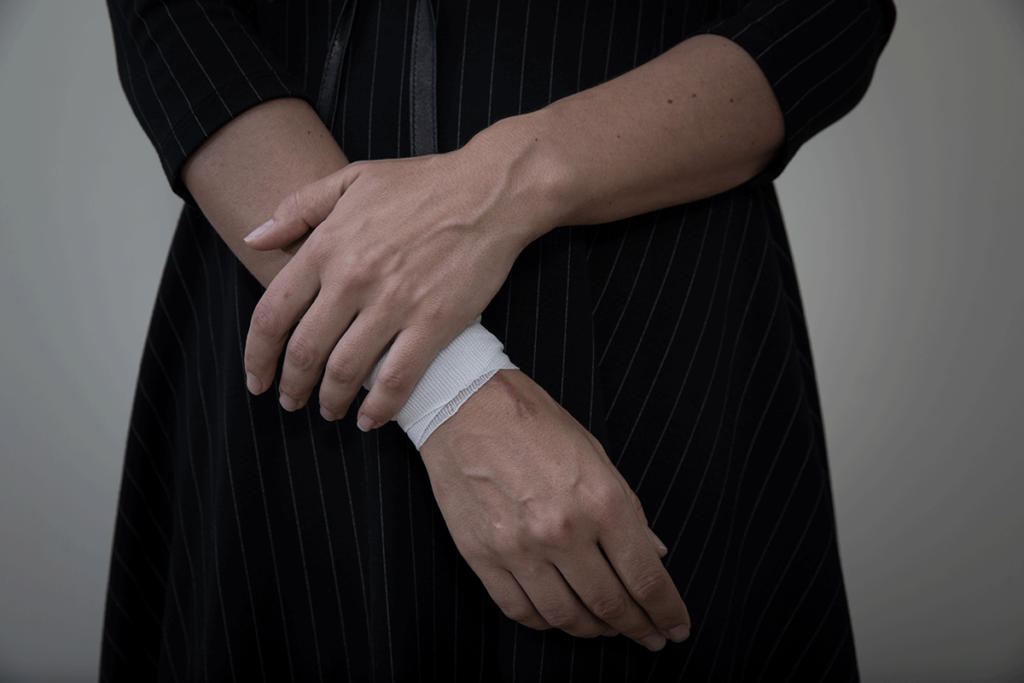
Skin picking, nail-biting, hair-pulling—it’s not uncommon to occasionally fuss with your hair or pick at an annoying scab. For some people, however, that fussing turns into a compulsive behavior that is both destructive and embarrassing. From constantly biting one’s nails to cutting one’s skin when strong emotions hit, these repetitive behaviors often have a serious physical and emotional impact, especially when obsessive-compulsive disorder (OCD) is also involved.
Understanding compulsive self-mutilation and the possible causes behind it can help you address your own behaviors or support someone you know who may be struggling. Arch gen psychiatry, as the overarching specialty, provides the framework for understanding compulsive self-mutilation and related behaviors. Call Promises Behavioral Health at (888) 483-7451rue) to learn how our OCD treatment center can help.
Compulsive self-mutilation is a mental health condition that involves an individual engaging in self directed, intentional destruction or alteration of their own body tissue. It is sometimes referred to as body-focused repetitive behavior, and it can include behaviors such as cutting, burning, picking at skin, and biting. The clinical characteristics and clinical features commonly observed in individuals with compulsive self-mutilation include repetitive behaviors, emotional distress, and physical injury. Compulsive self-mutilation often co-occurs with other mental health issues such as depression, anxiety, and substance use. This condition is classified among mental disorders and may overlap with other psychiatric conditions, including OCD.
The exact cause of compulsive self-mutilation is not clear. Still, it may be linked to various factors such as emotional distress or trauma, low self-esteem or feelings of powerlessness, difficult family dynamics, and difficulty managing emotions. People who engage in compulsive self-mutilation often report feeling a sense of relief or distraction from pain or distress after engaging in the behavior.
Compulsive self-mutilation can be a severe and complex condition, but with the right help and support, it is possible to manage the symptoms and find relief from distress. It’s important for people struggling with compulsive self-mutilation to know that they are not alone and there are resources available to help them. If you or someone you know is struggling with compulsive self-mutilation, reach out for professional help. With the right treatment, individuals can find relief and learn healthier ways of managing their emotions.
Definition and Prevalence
Self-harm, also known as self-injury, is defined as the deliberate act of causing physical harm to one’s own body tissue, often as a way to cope with overwhelming emotions, emotional distress, or negative feelings. According to the Diagnostic and Statistical Manual (DSM-5), self-harm is recognized as a symptom that can occur in a range of mental health conditions, including borderline personality disorder, obsessive compulsive disorder (OCD), and other obsessive compulsive spectrum disorders. These behaviors are not always associated with suicidal intent; rather, they often serve as a coping mechanism to manage difficult emotions or intrusive thoughts.
The prevalence of self-harming behaviors varies depending on the population studied. Research indicates that approximately 17% of adolescents and young adults have engaged in self-harm at some point, with rates in community samples averaging around 12%. Clinical samples, which include individuals seeking help for mental health conditions, often report more severe injuries and higher rates of self-injury. Notably, female patients are more likely to report self-harming behaviors, with studies showing that about 22% of female adolescents have engaged in self-harm, compared to 15% of their male peers.
Self-harm behaviors can take many forms, including cutting, burning, hitting, or otherwise inflicting physical injury on oneself. Other repetitive behaviors, such as skin picking (dermatillomania) and hair pulling (trichotillomania), are also considered forms of self-injury and are often linked to obsessive compulsive disorder or other personality disorders. These actions may provide temporary relief from emotional pain but can lead to significant distress, medical complications, and, in some cases, more severe injuries that require medical treatment.
Mental health professionals play a vital role in identifying and treating self-harm behaviors. Effective interventions often include psychotherapy, such as cognitive-behavioral therapy with response prevention therapy, and, when appropriate, medications like selective serotonin reuptake inhibitors (SSRIs). In cases where self-harm results in physical injury, prompt medical care is essential to prevent further complications. The American Psychiatric Association emphasizes that self-harm is a distinct clinical phenomenon, separate from suicidal behavior, though individuals who self-injure may be at increased risk for suicidal ideation or attempts. The World Health Organization has classified OCD among the top 10 most disabling illnesses in terms of lost income and decreased quality of life, underscoring the importance of timely and effective treatment.
Understanding the definition and prevalence of self-harm helps mental health professionals and loved ones recognize the signs and risk factors associated with these behaviors. Early intervention and comprehensive treatment can empower individuals to stop self-harming and develop healthier coping mechanisms for managing emotional distress and mental health conditions.
Types of Self-Mutilation
Some types of self-mutilation are quite obvious, but others are more covert and harder to notice. It is important to distinguish between deliberate self harm, which refers to intentional behaviors aimed at causing physical injury without suicidal intent, and other forms of self-mutilation that may be impulsive or compulsive in nature. Some examples of what to look for are outlined below.
These behaviors can also be clinically referred to as nonsuicidal self injury (NSSI), a term used to describe self-mutilation performed without suicidal intent.
Among the various forms of self-mutilation, skin picking behaviors are a clinically recognized example, often associated with obsessive-compulsive disorder and related conditions.
Cutting
Although alarming to others, individuals who engage in this type of compulsive self-mutilation don’t do it with the intent to kill themselves. Rather, they almost always use it as a way to cope with intense negative feelings. The impulsive act of cutting gives the person a sense of control over their emotional pain. Cutting typically involves the use of sharp objects, such as razors or knives, which can increase the risk of serious injury or infection. Some individuals may hide sharp objects or seek reassurance about their presence as a precaution to prevent further self-harm or to manage obsessive thoughts. For many who engage in this type of behavior, self-harm actually releases endorphins that provide a sense of pleasure.
The arms and wrists are the most commonly cut areas. Sadly, cutting often leaves permanent, unsightly scars. Cutting occurs most frequently in adolescents, but for some individuals, particularly many diagnosed with borderline personality disorder, it can continue into adulthood.
Hair Pulling
Also known as trichotillomania (hair pulling disorder, the clinical term for this condition), individuals with this impulse-control disorder have the uncontrollable urge to pull out hair from their heads, eyebrows, eyelashes, or arms. Feelings of anxiety often trigger the urge. The hair-pulling behavior relieves the tensions and provides a feeling of satisfaction—at least temporarily. It’s common for those with trichotillomania to also compulsively twirl their hair, inspect their hair’s roots, and chew on it. Unfortunately, the behavior often results in visible patches and bald spots.
Nail Biting (Onychophagia)
This is a common habit affecting many young children. Most people, however, stop biting their nails on their own by around the age of 30. Chronic and severe nail biting can lead to scarring and infections. It can also create feelings of shame. For example, a nail-biter might become too embarrassed to shake hands. If their condition is severe, they may wear gloves to hide the self-inflicted damage.
Skin Picking (Dermatillomania)
This condition is marked by repetitive skin picking that results in tissue damage. In clinical settings, severe or compulsive forms of this behavior are often referred to as pathologic skin picking, which is significant for diagnosis and may be associated with obsessive-compulsive disorder and other related conditions. Picking can occur on any part of the body, but common target areas include:
- The face
- Arms
- Lips
- Gums
- Scalp
- Chest
- Fingers
Many individuals with dermatillomania pick with their fingers; however, some use tools like fingernail clippers or tweezers. Skin picking can cause infections, interferes with the healing of wounds, and often leave visible scars.
OCD and Self-Harm
OCD and self-harm often go hand-in-hand, as individuals can feel compelled to engage in behavior that is ultimately harmful to them. In some cases, people may have intrusive thoughts involving fears of causing harm to themselves or others, which can lead to compulsive behaviors performed to prevent these feared outcomes. These compulsive behaviors are often aimed at preventing harm and reducing the anxiety or distress triggered by such thoughts. It is important to clarify that self-harm behaviors in OCD are not intended to inflict pain, but rather to manage overwhelming anxiety or distress. Approximately 7.3% of individuals with OCD engage in self-harm behaviors, highlighting the significant overlap between these conditions. Additionally, individuals with OCD may engage in seeking reassurance from others or through rituals to alleviate anxiety about self-harm or causing harm. Self-harming behaviors can range from minor to severe and may include cutting, burning, scratching, picking at skin or scabs, or other forms of physical injury. It is important to understand that these behaviors are not intentional attempts to hurt oneself but instead are a way of managing distress and anxiety. People who self-harm due to OCD are often ashamed and feel a sense of guilt or failure, so it is essential to create a safe space for them to talk openly about their experiences.
It is important to remember that self-harm due to OCD is not a sign of weakness, and it does not mean that an individual lacks willpower. Rather, it is a sign of how powerful the urge to engage in compulsive behavior can be and how challenging it can be for people to manage these urges without help. The gold standard treatment for OCD is exposure and response prevention (ERP), which focuses on helping individuals confront their fears and resist the urge to perform compulsive behaviors. Assessing emotional dysregulation is also important, as the absence of significant emotional dysregulation can help differentiate OCD-related self-harm from other disorders, such as personality disorders. It is also important to remember that self-harm due to OCD is treatable, and with the right support and treatment, individuals can learn to better manage their symptoms and lead healthy, meaningful lives. If you or someone you know is struggling with OCD or self-harm related to OCD, reach out for help today.
Treating Compulsive Self-Mutilation
Self-help strategies are essential tools for managing and eliminating self-mutilating behaviors. These include:
- Managing stress – Making time for a relaxing hobby or volunteer work will also provide the physical and emotional relief needed to resist cutting, skin picking, and other behaviors.
- Expressing emotions – Conveying your emotions through activities like writing, singing, painting, or dancing. Talking with friends or a support group will also give you an outlet for negative feelings.
- Keeping hands busy – A fidget toy can be any object you can fiddle around with, like a small squeeze ball or stress ball. Small craft projects, like knitting or crocheting, can also keep your hands busy during long periods of inactivity, such as watching television or riding in the car.
However, compulsive self-mutilation should be taken very seriously, and the person harming themself should receive professional help. In clinical practice, assessment and treatment of compulsive self-mutilation are essential for effective management and recovery. One of the most effective types of treatment for compulsive self-mutilation disorders is cognitive-behavioral therapy (CBT). The goal of CBT is to help the individual identify unhealthy and irrational thought patterns and re-wire their thinking. By doing so, they can learn to replace self-harming behavior with healthy ways to cope with anxiety, emotional pain, and other triggers. Researchers have found that CBT is far more effective than a medication-only approach. Antidepressants called selective serotonin reuptake inhibitors (SSRIs) are the most common first-line prescription options for OCD and can also play a role in managing compulsive self-mutilation. Monitoring treatment response is crucial in evaluating the effectiveness of interventions and guiding adjustments to the treatment plan. Research has shown significant improvement in symptoms with evidence-based treatments, and studies have found a significant difference in outcomes between those who receive comprehensive treatment and those who do not.
Since people who struggle with compulsive self-mutilation often suffer from other psychiatric disorders, such as PTSD or major depression, a successful treatment plan will also integrate therapies to address those conditions as well. One of the challenges with compulsive self-mutilation is that the damage may also generate physical injury that requires medical treatment. Cutting, hair pulling, and skin picking can lead to infection and scarring that requires treatment by a dermatologist or other type of physician.
Begin to Heal at Promises Behavioral Health
Self-mutilation, from nail biting to skin picking, is more than an inconvenient habit. If your behavior is causing embarrassment, shame, or physical problems, seek help. A skilled mental health professional will give you the resources to reverse these conditions so you can live the healthy, happy life you deserve. Unfortunately, self-harm is often misunderstood and carries stigma, which can affect access to effective care. Raising awareness and reducing stigma are essential steps in ensuring individuals receive the support they need.
Promises offers comprehensive mental health programs to help you overcome compulsive self-mutilation and other disorders. Reach out to Promises today by calling [(888) 483-7451](tel:8884837451" data-ict-discovery-number="8884837451" data-ict-silent-replacements="true″ data-ict-discovery-number=”8884837451″ data-ict-silent-replacements=”true) or filling out our online contact form to get started.