
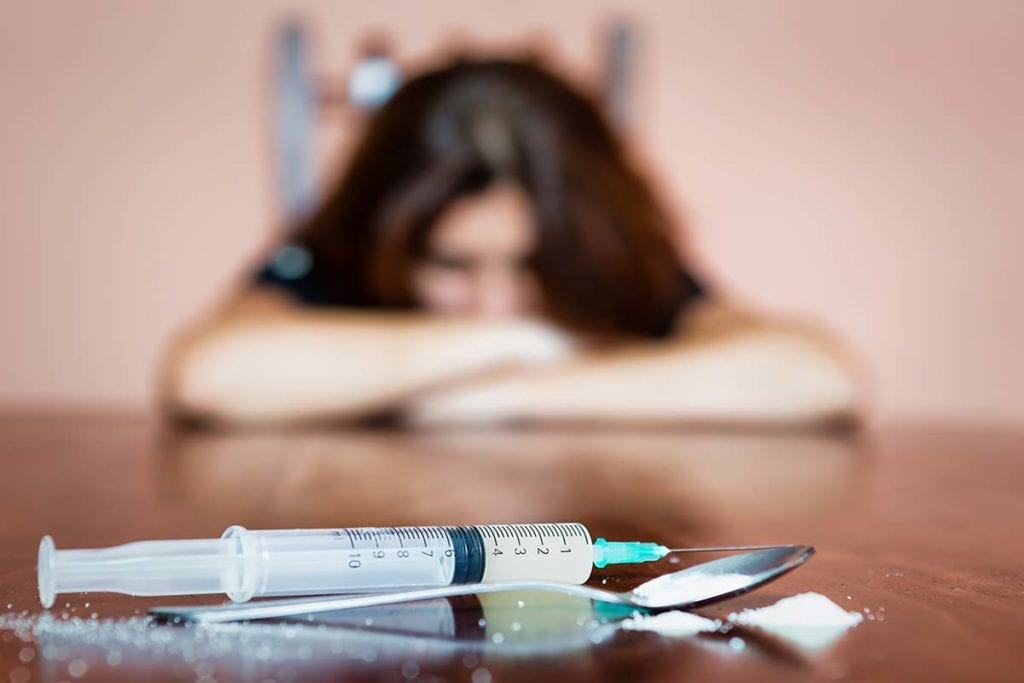
Substances change how your brain and body work. When you stop using, your brain needs time to rebalance, which leads to withdrawal. If you, or someone you love, feel unwell when you try to cut back on drugs or alcohol, do not go through it alone. A supervised detox setting reduces risk and helps you stay safer and more comfortable. When you are ready, we can guide you to a medical drug detox center that fits your needs.
What Withdrawal Is and Why It Happens
Withdrawal is your body’s reaction when it no longer receives a substance it has adapted to. Over time, repeated drug use can change brain pathways related to stress, reward, and sleep systems. When levels of alcohol, opioids, or other drugs drop, those systems overcorrect. That shift creates symptoms like anxiety, sweating, headaches, nausea, and cravings. The experience can be extremely uncomfortable, and in some cases, dangerous.
About Drug Withdrawal Symptoms
Timelines vary by substance, dose, and your health. Foropioid withdrawal, symptoms often begin within 8 to 24 hours after the last dose of short‑acting opioids and later for long‑acting forms. Many people describe muscle aches, insomnia, nausea, diarrhea, and anxiety during the first few days.
Alcohol withdrawal can start within hours after the last drink, peak between 24 and 72 hours, and sometimes last longer. Many withdrawals are experienced differently, so it helps to talk with anaddiction counselor about your specific situation.
Signs of Drug Withdrawal
Withdrawal symptoms depend on the substance, the amount you used, how often you used it, and your physical health. Common symptoms include:
- Muscle aches and tremors
- Headaches
- Nausea and vomiting
- Diarrhea and abdominal cramping
- Anxiety, panic, or mood changes
- Insomnia and restlessness
- Sweating and chills
- Enlarged pupils, goosebumps, and cravings
- Elevated heart rate and changes in blood pressure
- In severe cases, seizures or hallucinations
If symptoms escalate, or if alcohol or benzodiazepines are involved, seek medical support right away.
Why Medical Detox Matters
Addiction withdrawal can be uncomfortable, and for some substances it can be dangerous. In a supervised setting, clinicians monitor vital signs like heart rate and blood pressure, watch for complications, and support sleep and nutrition. With medical support, the withdrawal management plan can be adjusted in real time so you stay safer and maintain hydration. This reduces the risk of relapse that often follows unmanaged symptoms.
Medications Used in Withdrawal Management
A licensed provider may prescribe medication to reduce symptoms and cravings. For opioid withdrawal and ongoing opioid use disorder care,evidence‑based options include buprenorphine, methadone, and naltrexone. Other medicines, for example clonidine or lofexidine, may help regulate sweating, restlessness, and blood pressure during acute care.
For alcohol withdrawal, benzodiazepines are commonly used in controlled settings to prevent seizures, then tapered carefully. Only a clinician should prescribe medication for withdrawal, since mixing substances or using the wrong dose can create additional health risks.
Withdrawal Looks Different by Substance
Opioids
Opioids, such as heroin and many prescription pain medicines, can trigger early aches, yawning, sweating, and anxiety, followed by gastrointestinal symptoms and cravings. Opioid withdrawal symptoms can feel overwhelming, but they are treatable. Because tolerance drops quickly, the risk of overdose rises if you return to the previous dose after detox.
If opioid use is part of your story, a structured plan protects you during the withdrawal process and beyond. To explore options tailored for opioids, learn about ouropiate detox center and how ongoing treatment supports recovery.
Alcohol
Alcohol withdrawal ranges from mild tremors to severe complications like seizures and delirium tremens. Blood pressure, temperature, and thinking can change quickly. Medical teams track these symptoms, use strategies that stabilize your nervous system, and help you sleep. If you notice confusion, severe agitation, chest pain, or a seizure during alcohol withdrawal, call 911.
Benzodiazepines
Benzodiazepines, such as alprazolam or clonazepam, require careful tapering. Stopping suddenly can be dangerous, so a slow, supervised plan is essential. Read about ourbenzo detox center for more on safe approaches.
Stimulants
Withdrawal from stimulants like cocaine or methamphetamine may bring fatigue, depression, and sleep disruption. Medical detox focuses on monitoring mood and physical health while managing symptoms with rest, hydration, and supportive care to ensure safety and stability.
Each substance calls for a specific withdrawal management plan to limit severe symptoms and lower relapse risk. If prescription pain medicines are involved, ourpainkiller addiction treatment information explains how we pair medical care with counseling.
What to Expect in the Detox Process at Promises Behavioral Health
At Promises Behavioral Health, your safety guides our care. While details vary by location and clinical assessment, you can expect:
- Assessment and planning: We review your health history, recent substance use, medications, and mental health needs. We also check blood pressure, heart rate, temperature, and oxygen levels.
- Stabilization and medical support: Your team monitors symptoms, adjusts comfort measures, and may prescribe medication when appropriate. Hydration, sleep, and nutrition are part of the plan.
- Transition to treatment: Withdrawal is a beginning, not the finish line. We connect you with counseling and ongoing treatment that fits your needs, including care for substance use disorder alongside mental health support.
Safety Tips If You Decide to Stop Taking Substances
- Talk with a medical professional first. This is vital if alcohol, opioids, or benzodiazepines are involved.
- Do not suddenly stop heavy drinking or daily benzodiazepines. A taper under supervision reduces risk.
- Arrange support. Ask a trusted person to check in, and keep your phone nearby.
- Track symptoms. If blood pressure spikes or you experience chest pain, confusion, or severe vomiting, seek urgent care.
- Avoid mixing substances. Combining alcohol, opioids, or other drugs increases complications.
- Plan for next steps. Strategies that include counseling, peer support, and medication, when appropriate, strengthen recovery.
When to Seek Urgent Care
Call 911 if you or someone nearby has chest pain, difficulty breathing, a seizure, severe confusion, or thoughts of self‑harm. These can occur during alcohol withdrawal or complex polysubstance situations. Fast medical support saves lives.
How Promises Behavioral Health Supports Your Next Steps
Withdrawal relief matters, and so does what comes after. Our teams provide education, coping strategies, and referrals for additional resources that fit your goals. If opioids are part of your history, we discuss ongoingopioid use treatment options to lower cravings and prevent relapse. Ifalcohol is central, we plan for sleep, stress, and mood changes that can arrive after detox.
If you are considering detox for drugs or alcohol, you can contact Promises Behavioral Health to discuss your options, or call us at 888.483.7451 to discuss possible options in Texas, Georgia, Pennsylvania, Tennessee, or Massachusetts. We will listen, explain the detox process, and help you plan safe care.
Frequently asked questions
Drug withdrawal symptoms can vary depending on the substance but often include anxiety, nausea, fatigue, and irritability. Identifying these symptoms early is crucial for effective management and recovery.
Effective management of drug withdrawal symptoms involves a combination of medical supervision, hydration, nutrition, and sometimes medication to alleviate severe symptoms. Support from healthcare professionals is essential.
Coping strategies include engaging in physical activities, practicing relaxation techniques like meditation, seeking support from friends or support groups, and maintaining a healthy lifestyle to ease the withdrawal process.
The drug withdrawal timeline can vary widely, lasting from a few days to several weeks, depending on factors such as the type of drug, duration of use, and individual health conditions.
Resources for drug withdrawal recovery include rehabilitation centers, support groups, counseling services, and hotlines that provide guidance and support throughout the recovery journey.